
Asynchronous Programming & Callback in Node.js
Understanding asynchronous programming in Node.js
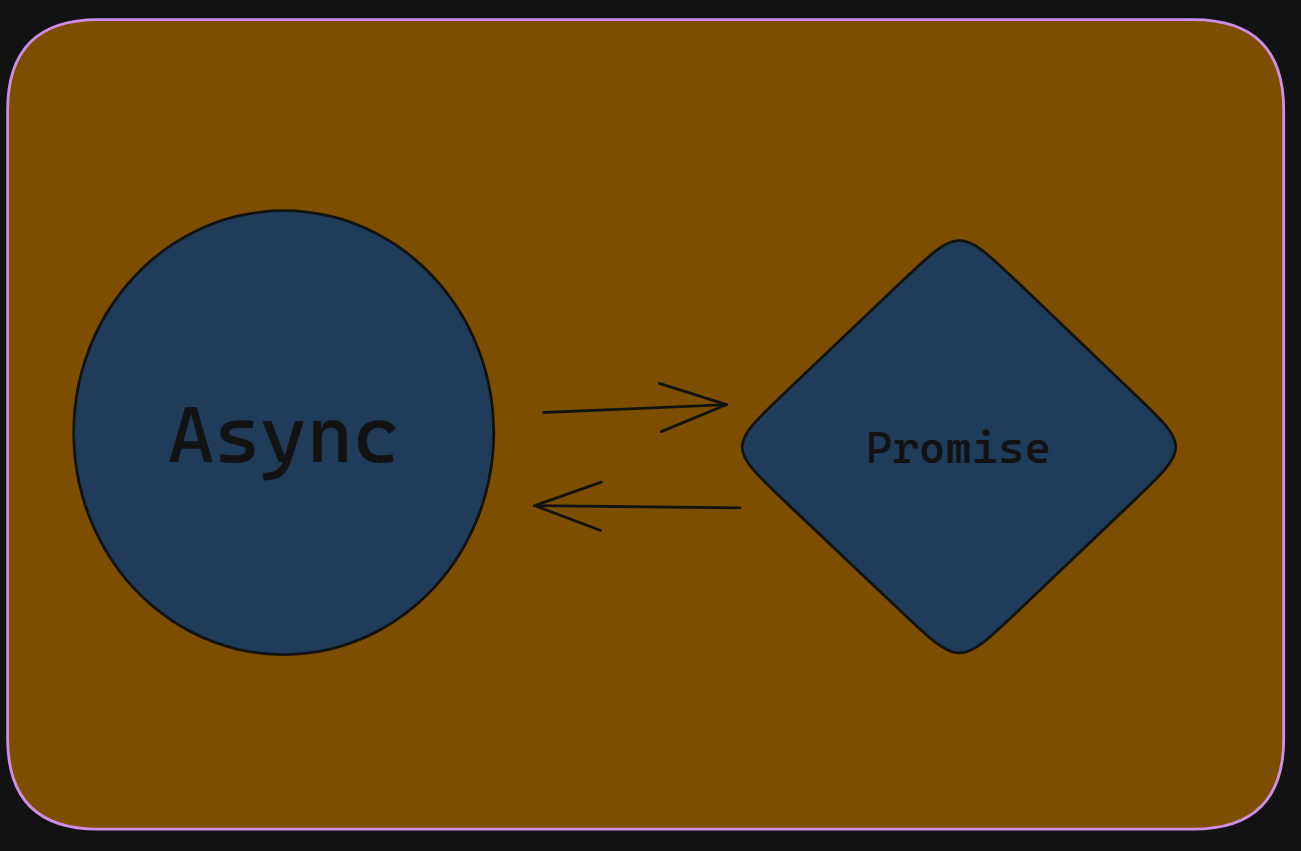
Understanding Asynchronous Programming
At its core, asynchronous programming in Node.js allows us to execute multiple operations concurrently, without waiting for each one to finish before moving on to the next. This is crucial for building scalable and high-performance applications, as it enables us to handle tasks like file I/O, network requests, and database queries efficiently.
The Dreaded Callback Hell
Ah, callback hell. The bane of every Node.js developer's existence. Picture this: nested callbacks within nested callbacks, creating a tangled mess of code that's nearly impossible to decipher.
Liberating Ourselves from Callback Hell
Promises provide a cleaner and more structured way to handle asynchronous operations in Node.js. Instead of passing callback functions, we can return a Promise object that represents the eventual completion or failure of an asynchronous task.
function getData() {
  return new Promise((resolve, reject) => {
    setTimeout(() => {
      resolve("Data fetched successfully");
    }, 2000);
  });
}

getData()
  .then((data) => {
    console.log(data);
  })
  .catch((error) => {
    console.error(error);
  });
By using Promises, we can avoid the dreaded pyramid of doom and handle asynchronous operations in a more elegant manner.
Embracing async/await
If Promises still feel a bit too verbose for your liking, fear not! async/await is here to save the day. Introduced in ES2017, async functions allow us to write asynchronous code that looks and behaves like synchronous code.
async function fetchData() {
  try {
    const data = await getData();
    console.log(data);
  } catch (error) {
    console.error(error);
  }
}

fetchData();
With async/await, we can write asynchronous code that reads like a synchronous script, making it much easier to understand and debug.
Conclusion
Asynchronous programming is a fundamental concept in Node.js, allowing us to build fast, scalable, and responsive applications. By embracing Promises and async/await, we can escape the clutches of callback hell and write code that's clean, concise, and maintainable.
3 min read
back to blog